
Refinishing Hardwood Furniture: Surface Preparation and Finishing Methods
How to strip, sand, stain, and apply a protective topcoat to hardwood furniture — with notes on oil-based vs. water-based products in Canadian winters.
Detailed, step-by-step instructions on refinishing surfaces, repairing structural joinery, and choosing the right wood for projects in the Canadian climate.

Each article covers a specific technique with material lists, tool recommendations, and notes on working in Canadian conditions.
How to strip, sand, stain, and apply a protective topcoat to hardwood furniture — with notes on oil-based vs. water-based products in Canadian winters.
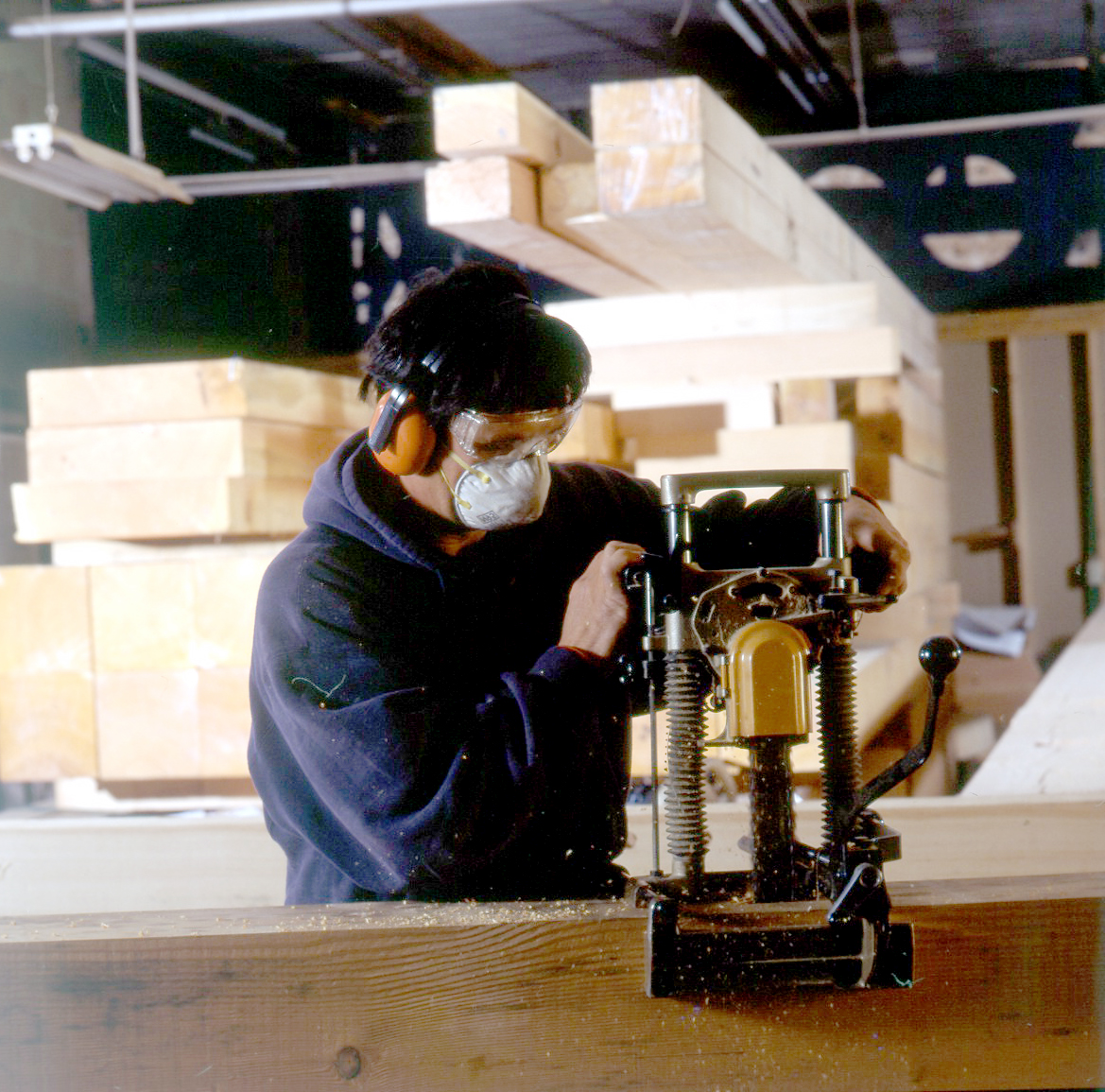
Diagnosing and fixing mortise-and-tenon, dovetail, and dowel joints in furniture — from loose chairs to split tabletop edges.
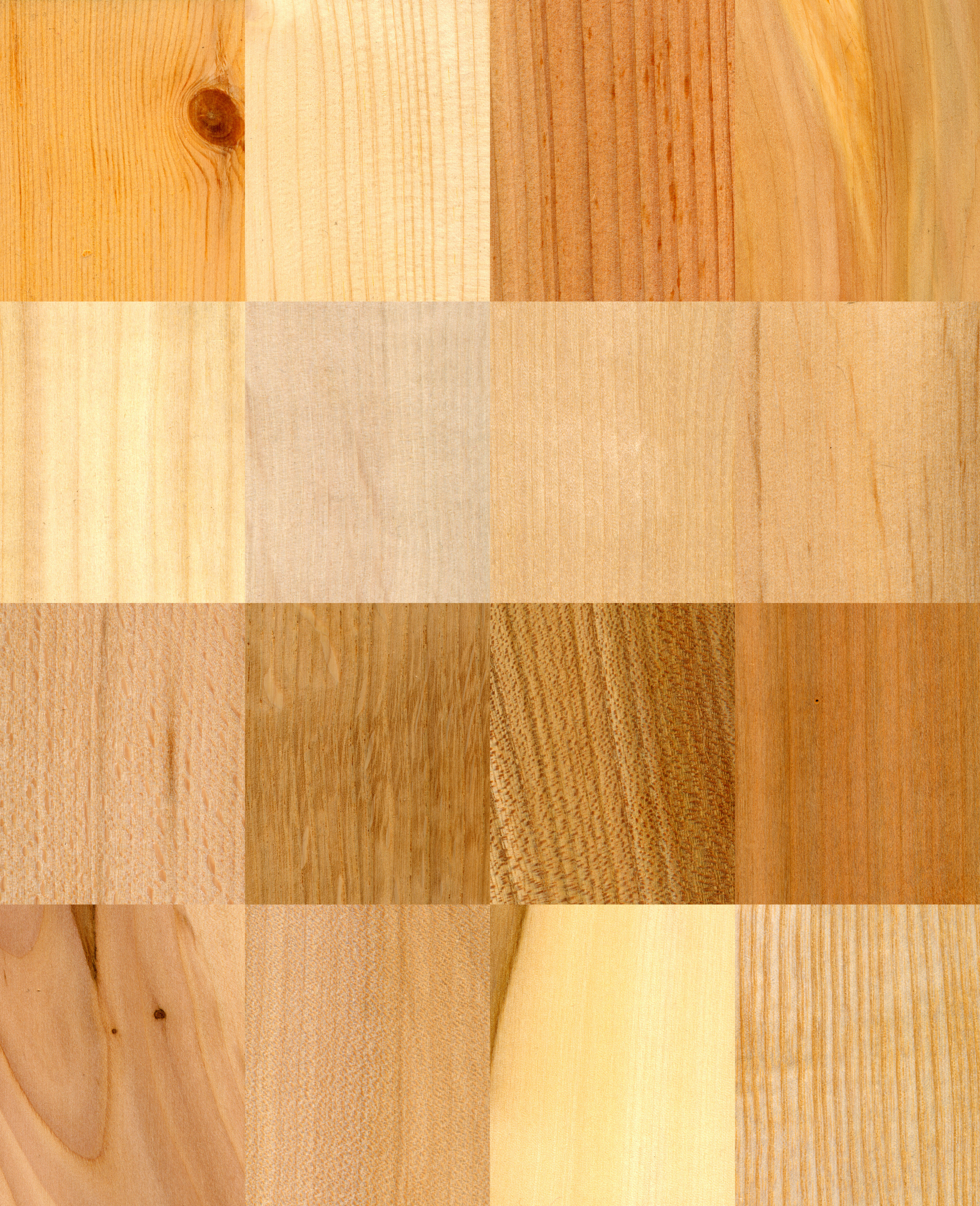
A practical comparison of hardwoods and softwoods available at Canadian lumber yards — workability, cost, and moisture behaviour in different regions.
Stripping old finishes, filling grain, sanding sequences, and dealing with raised grain after water-based products — the foundation of any refinishing project.
Identifying joint failures in older furniture, choosing the right adhesive for wood species and conditions, and reinforcing weak spots without visible hardware.
How wood species, moisture content, and grade affect workability and longevity — particularly relevant in regions with pronounced seasonal humidity swings.
Oil-based vs. water-based stains and topcoats, their drying windows in cold temperatures, and ventilation requirements for indoor work during winter months.
Keeping hand planes, chisels, and router bits sharp and rust-free in workshop environments that experience significant temperature and humidity fluctuations.
Evaluating whether a piece is worth restoring based on wood quality, joint condition, and the nature of surface damage — practical decision-making for the home shop.
Canadian workshops face specific challenges that differ from those in more temperate climates. Winter temperatures in most provinces drop well below freezing, which affects how oil-based finishes cure — many require temperatures above 10°C (50°F) to film properly. Running a shop heater while applying varnish introduces its own ventilation considerations.
Seasonal humidity variation is equally significant. Wood cut and stored in a dry heated space during a prairie winter will expand measurably once spring humidity rises. Understanding equilibrium moisture content (EMC) for different regions — from the maritime humidity of Nova Scotia to the dry inland air of Alberta — directly influences how wood should be acclimated before use.
Lumber grading and species availability also vary by region. Black walnut, for example, is relatively accessible in Ontario but less so in British Columbia, where western red cedar and Douglas fir are far more common in local yards. The articles on this site note regional availability where it is relevant to the technique being described.
Oil-based finishes require a minimum workshop temperature of around 10°C for proper film formation. Below this threshold, alkyd varnishes and oil-based polyurethanes remain tacky indefinitely.
The average indoor relative humidity in a Canadian home during winter (20–35%) is substantially lower than summer levels (50–60%). This seasonal swing of roughly 25 percentage points causes meaningful expansion and contraction in solid wood panels and tabletops.
Species commonly found at Canadian lumber retailers include hard maple, yellow birch, red oak, white ash, black walnut (Ontario/Quebec), and western red cedar, Douglas fir, and Sitka spruce (British Columbia).
For questions about techniques covered on this site, corrections, or sourcing information.